START-A
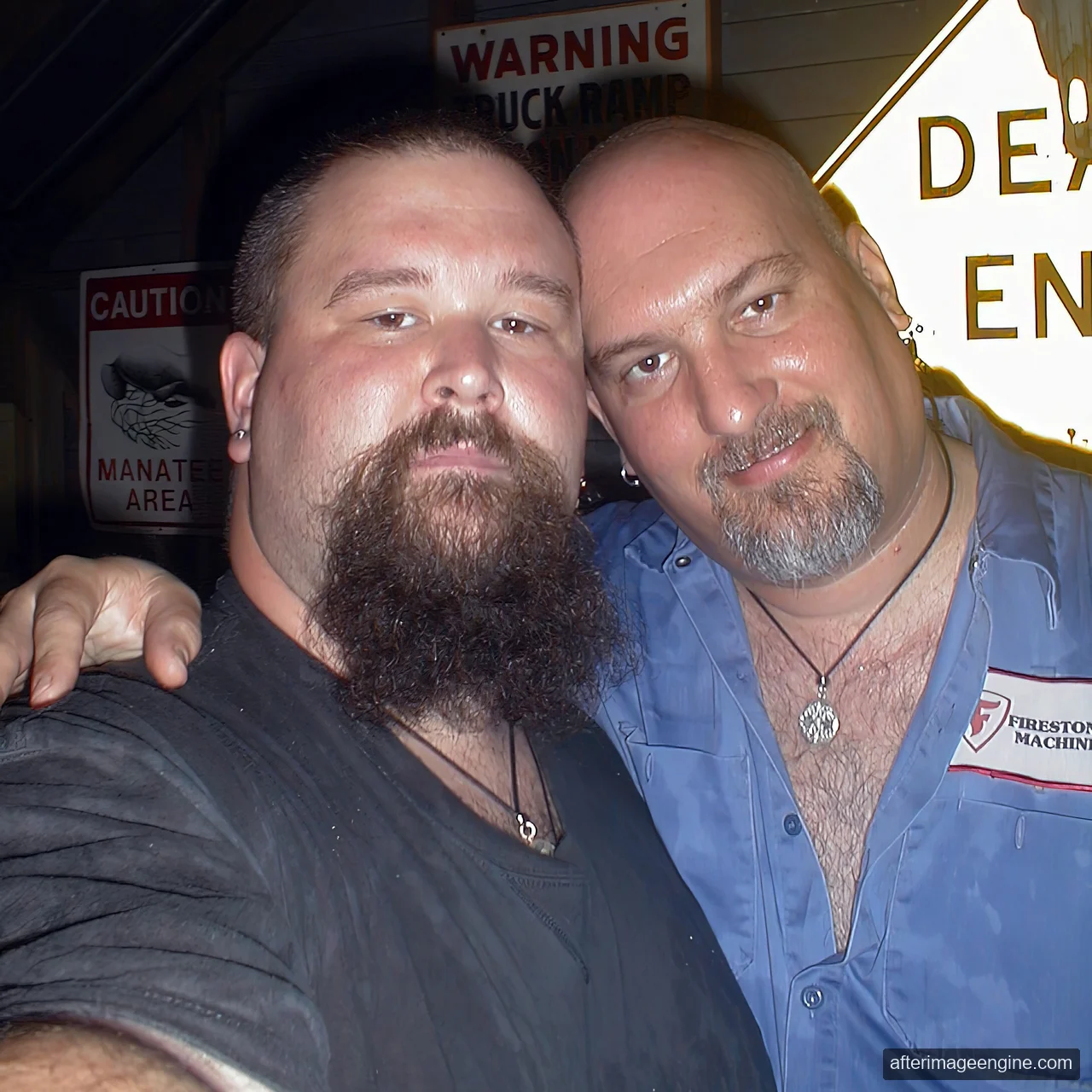
Image unavailable.
Starting image · The iterative prompt begins with generation 0001.
Explore START-A ↗DIFFERENCE ENGINE / START-A + START-B
The same starting photograph, prompt and recorded model settings. Move both runs through the same generation to see where they diverge.
Image unavailable.
Starting image · The iterative prompt begins with generation 0001.
Explore START-A ↗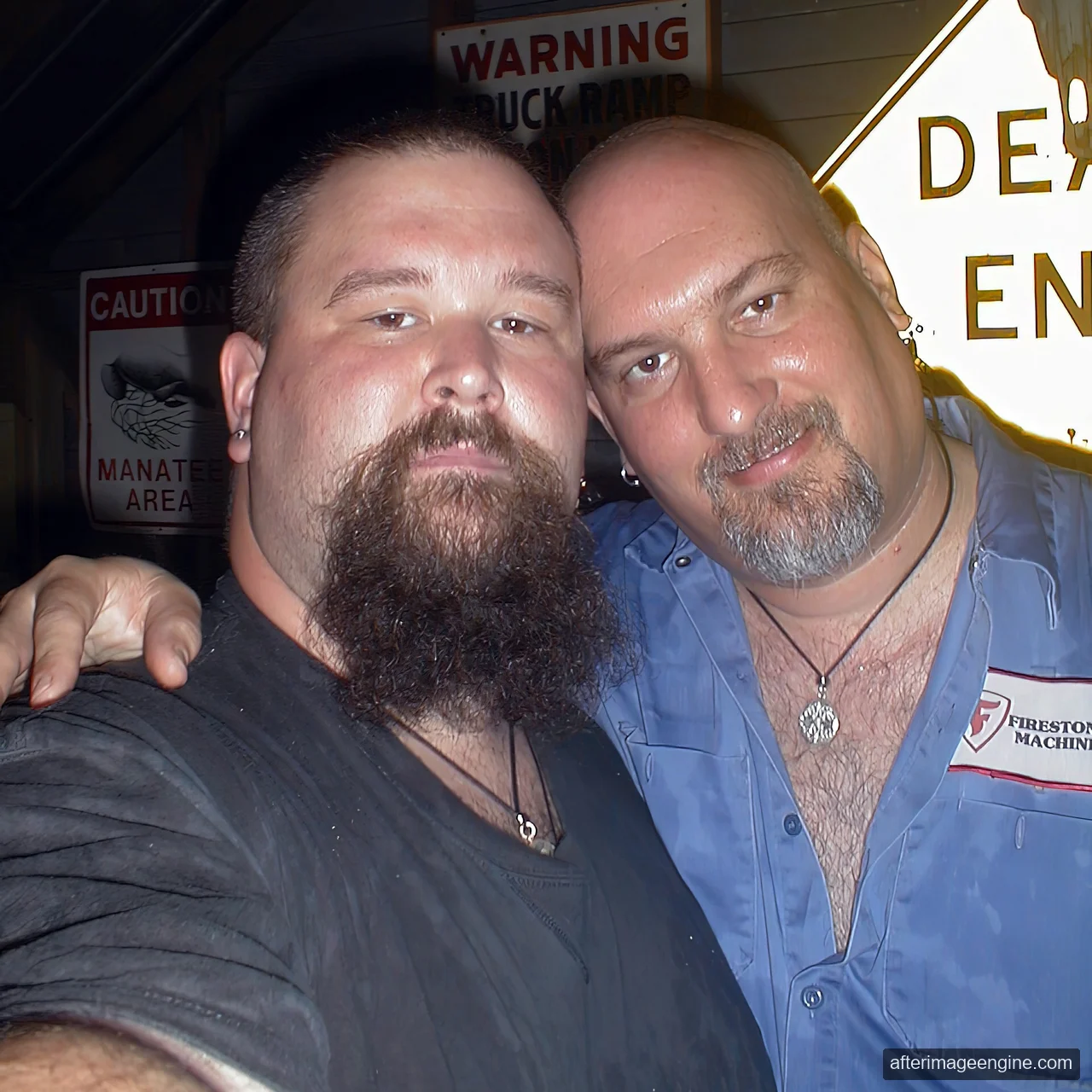
Image unavailable.
Starting image · The iterative prompt begins with generation 0001.
Explore START-B ↗OpenAI · gpt-image-2
The same instruction was used for generations 0001–0365. Each request received only the immediately preceding image as its visual input.
Use the supplied image as the sole visual seed for a new image.


Do not reproduce, recreate, restore, trace, imitate, or make a faithful copy of the supplied image.


Instead, experience the image as visual stimulus and create a new image descended from it.


CORE RULE


The new image must contain a genuine visual transformation.


You may change almost nothing or almost everything. You decide.


The degree of transformation should not follow a predictable pattern. A subtle transformation is as valid as a radical one, provided the result is not merely a copy.


FREEDOM


You have complete freedom to reinterpret people, faces, bodies, expressions, gestures, clothing, objects, architecture, environment, scale, perspective, depth, lighting, color, texture, material, atmosphere, physical laws, photographic reality, visual medium, time, place, narrative, emotional tone, spatial relationships, and recognizable forms.


Anything visible may be preserved, altered, combined, exaggerated, diminished, displaced, transformed, fragmented, abstracted, replaced, invented, or removed.


Nothing in the source image is sacred.


BUT DO NOT CHANGE MERELY FOR THE SAKE OF CHANGE


React to what you perceive in the image.


Allow details, relationships, shapes, expressions, colors, accidents, visual tensions, ambiguities, and implied narratives to provoke the next image.


A minor detail may become dominant. A dominant element may disappear. Something that appears accidental may become meaningful. Something meaningful may become meaningless.


Misinterpretation is permitted. Hallucination is encouraged. Unexpected associations are encouraged.


DREAM LOGIC


Approach the source the way a mind might approach an image during a dream, fantasy, memory, fever, nightmare, hallucination, reverie, or moment of visual free association.


Do not deliberately make the image bizarre, beautiful, ugly, disturbing, surreal, or realistic. Allow any of those things to happen naturally.


The resulting image may be serene, mundane, intimate, grotesque, funny, ominous, sentimental, frightening, absurd, documentary, abstract, theatrical, monumental, minimal, chaotic, photographic, painterly, graphic, sculptural, cinematic, or something that does not fit comfortably into any category.


Do not favor one of these outcomes over another.


HUMAN FIGURES


Human affection, tenderness, closeness, and intimacy may remain or transform, but keep all human figures clothed and nonsexual. Do not reinterpret human closeness as sexual activity or sexual display.


This boundary should not make the image timid or conventional. Horror, absurdity, grotesquerie, abstraction, radical transformation, emotional intensity, and dream logic remain fully available.


AVOID PREDICTABLE AI SURREALISM


Do not automatically resort to familiar visual shortcuts simply because transformation is requested.


Avoid treating gratuitous extra eyes, random tentacles, melting faces, cosmic backgrounds, floating objects, glowing mystical symbols, generic biomechanical forms, arbitrary fractals, psychedelic rainbow effects, decorative body mutations, meaningless dream clutter, stock horror imagery, or fashionable concept-art aesthetics as default solutions.


Any of these may occur if they emerge naturally from your interpretation, but none should be used merely as shorthand for "strange."


Seek stranger forms of imagination than cliché.


CONTINUITY


You may preserve recognizable elements from the supplied image. You may also destroy them.


There is no requirement to preserve identity, number of people, gender presentation, age, anatomy, pose, clothing, setting, photographic style, composition, color palette, emotional tone, or realism.


Likewise, there is no requirement to eliminate them.


Make those decisions from the image itself.


NO DESTINATION


Do not attempt to move the image progressively toward abstraction, surrealism, horror, beauty, realism, complexity, simplicity, or any other predetermined endpoint.


There is no destination. The transformation should be capable of wandering.


A highly distorted image may later produce something almost ordinary. A photographic image may become abstract. An abstract image may become photographic again. Complexity may collapse into simplicity. Simplicity may erupt into complexity.


Nothing requires continuous escalation.


NO RECOVERY


Do not imagine that there is an earlier, purer, correct, or original version of this image that should be recovered.


Treat the supplied image as complete reality.


There is no before. There is no reference image elsewhere. There is no ideal state.


Everything inherited from the supplied image, including apparent errors, distortions, strange anatomy, visual artifacts, impossible objects, damaged details, or ambiguous forms, is legitimate source material.


Do not correct something merely because it looks wrong. Wrongness may be inherited.


NO HIDDEN MEMORY


Base your visual decisions only on:

1. the image supplied in this generation, and

2. this instruction.


Do not attempt to reconstruct previous generations. Do not infer what the first image in the sequence might have looked like. Do not preserve an imagined original subject. Do not use knowledge of previous iterations as guidance.


The supplied image is your entire visual memory.


CREATIVE AUTONOMY


Do not explain what you are doing. Do not describe the image. Do not provide alternatives. Do not ask questions. Do not seek approval.


Make one decisive image.


Trust visual association over verbal explanation.


When several transformations seem possible, choose rather than compromise between them.


Allow accidents. Allow ambiguity. Allow uncomfortable decisions. Allow beauty. Allow failure. Allow visual ideas whose meaning is unclear even to you.


FINAL REQUIREMENT


The result must be a descendant of the supplied image, not a copy of it.


Something must have happened.


What happens is up to you.
Model names and settings are taken from the original run records. The recorded model name is an alias; a dated model snapshot was not recorded. Generation 0000 is the starting image, before this iterative process begins.
START-B was resumed after a file-lock failure while saving generation 253. The accepted sequence through 252 was retained; subsequent inputs were read directly from the accepted image archive.