DIFFERENCE ENGINE
THE FIRST FILM
DEAD
END
It began with a single image.
See where it led.
One image. 365 generations.
Follow the experiment behind the film.
What survives the next image?
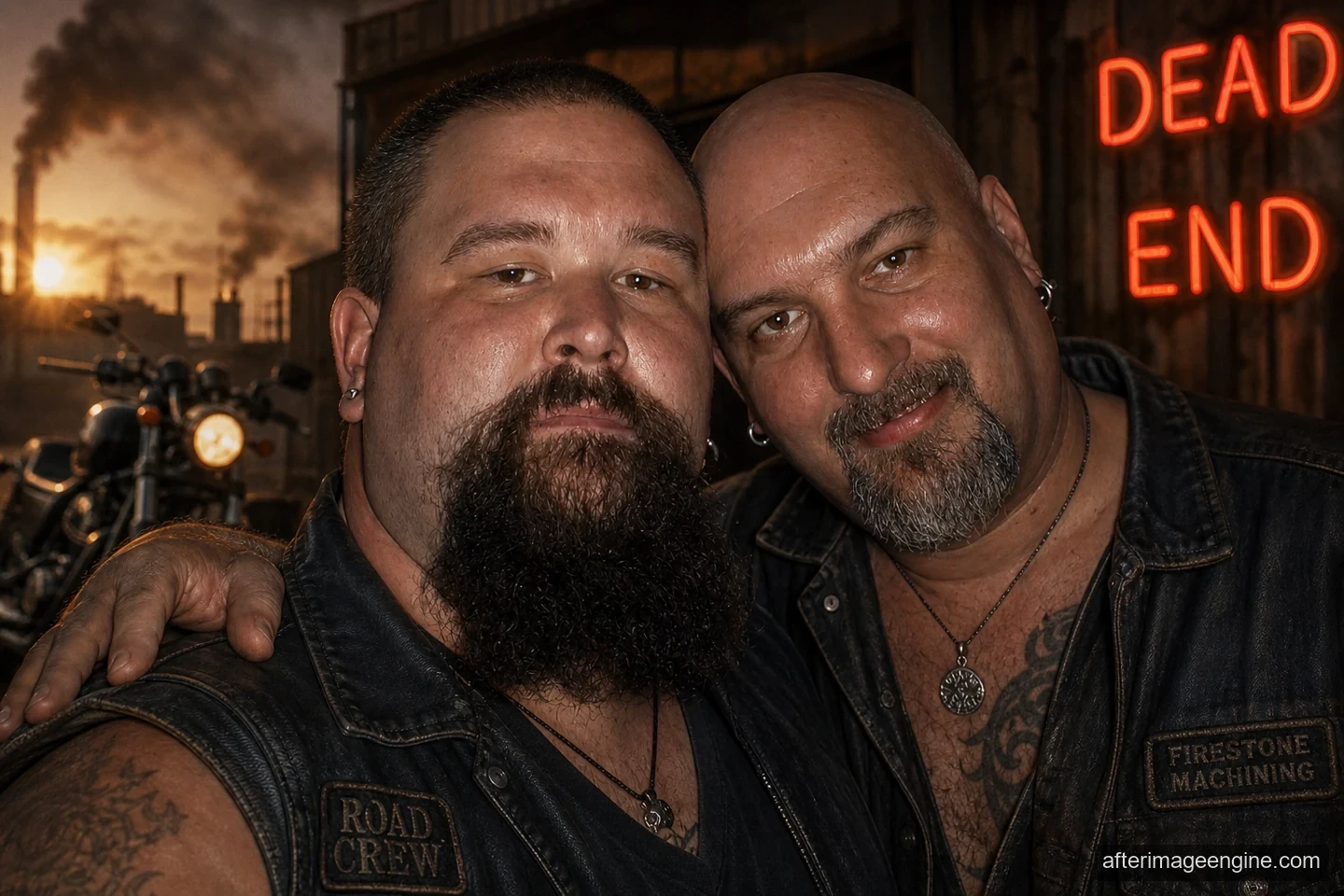
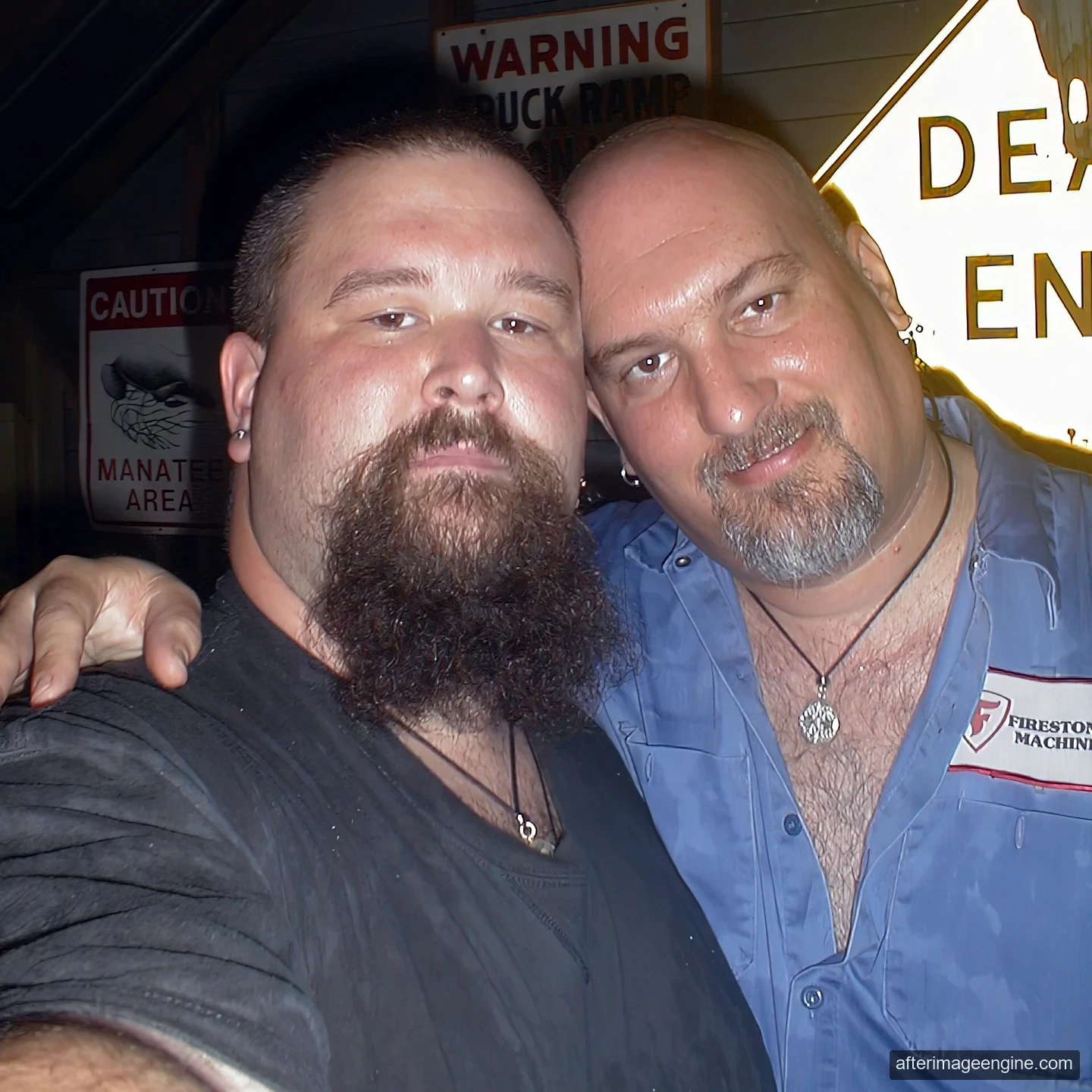
Difference Engine began with a photograph and a rule: make a transformed descendant, then use that result as the source for the next generation.
Each request received the immediately preceding image and the same written instruction. The original photograph was not supplied again. Whatever was visible in the new image became material for the next transformation.
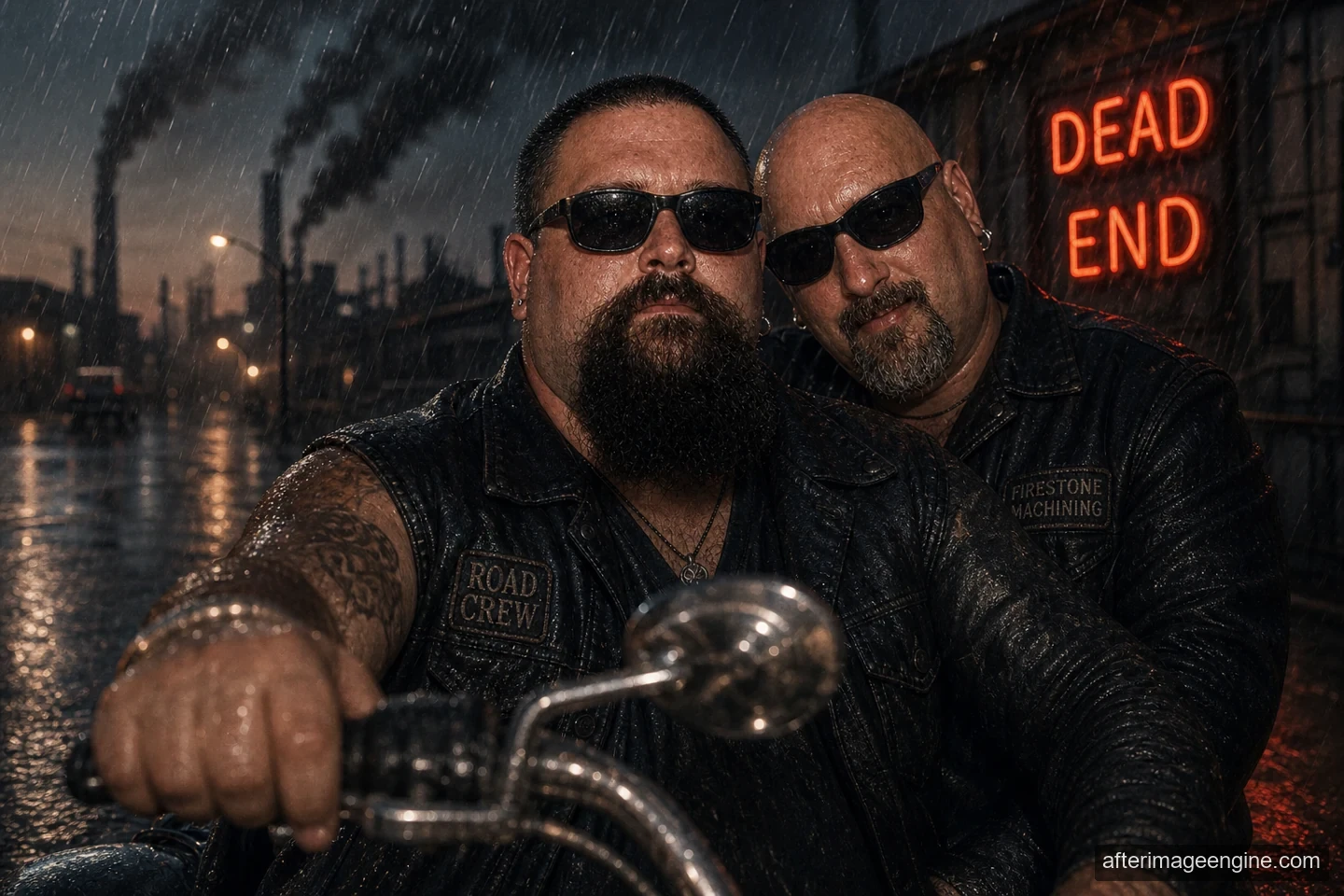
In these first steps, two people remain together while their clothes, surroundings and apparent situation change. A detail in the background becomes a sign in the world.
A change in viewpoint
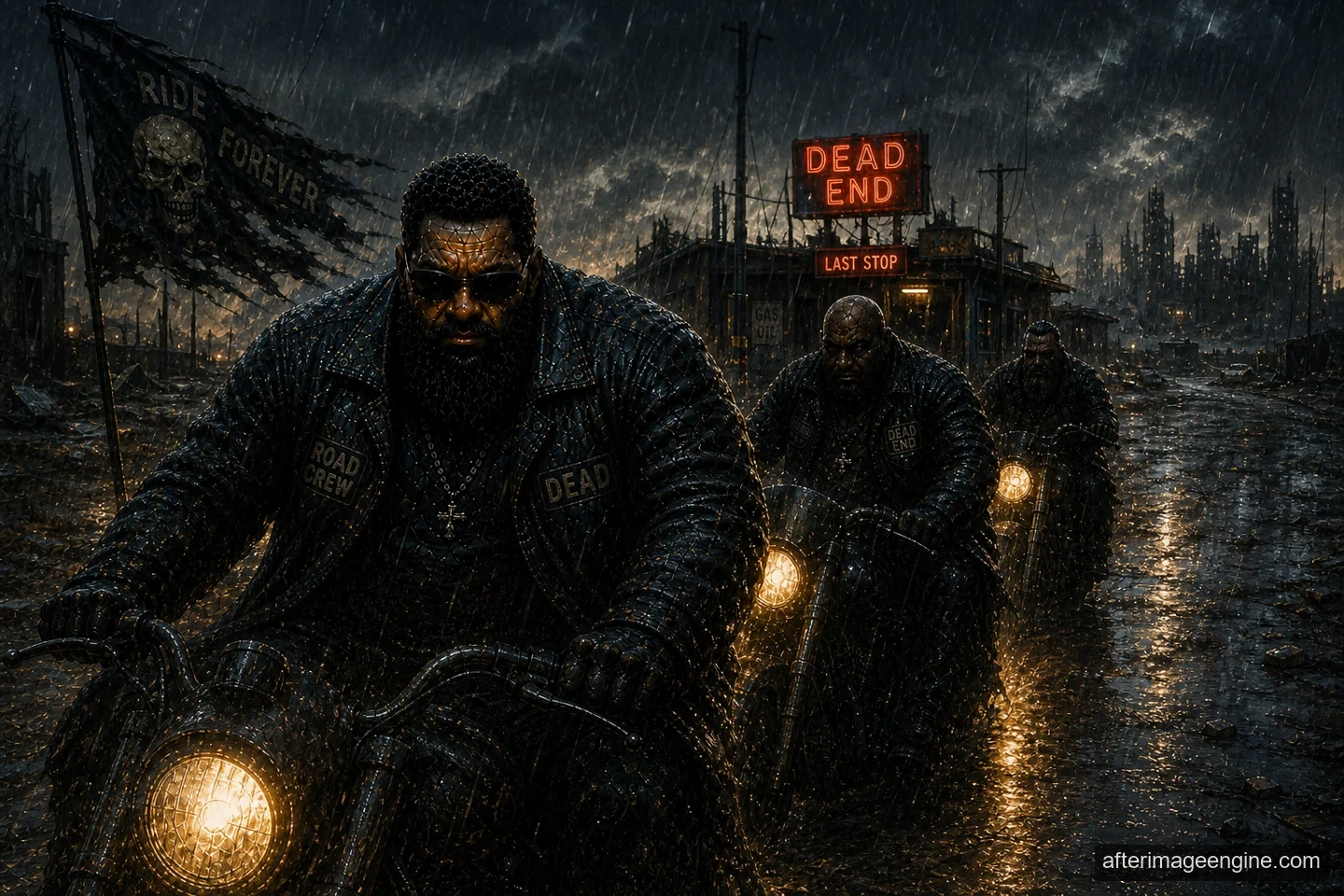
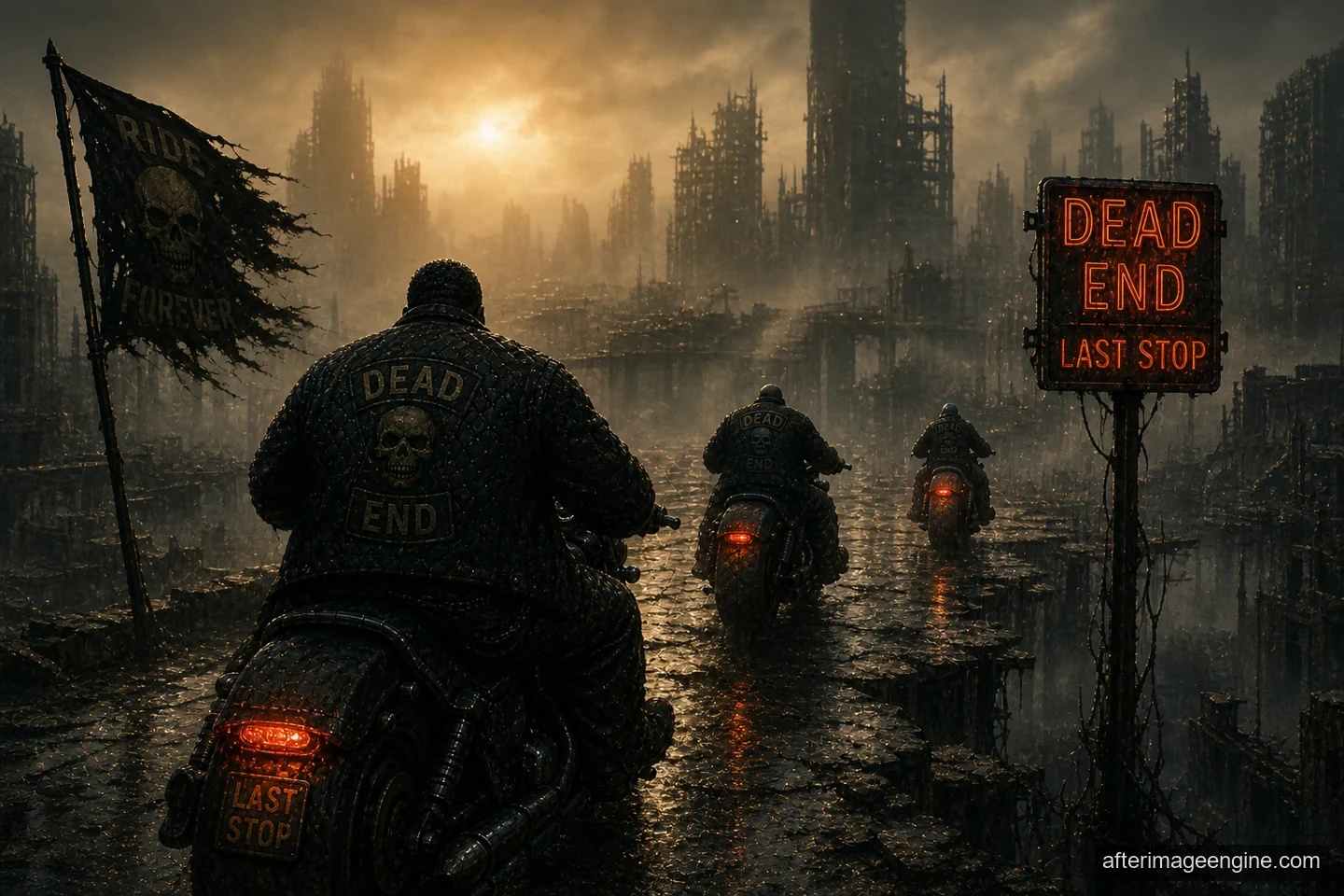
At generation 18, the riders face us. At 19, they face away.
Placed beside one another, these stills suggest a turn in a journey. In DEAD END, that change became a turning point: the camera crosses the riders and begins following them into the distance.
The generated sequence supplied the images. Turning their relationship into a moving scene required direction.
An ending appears
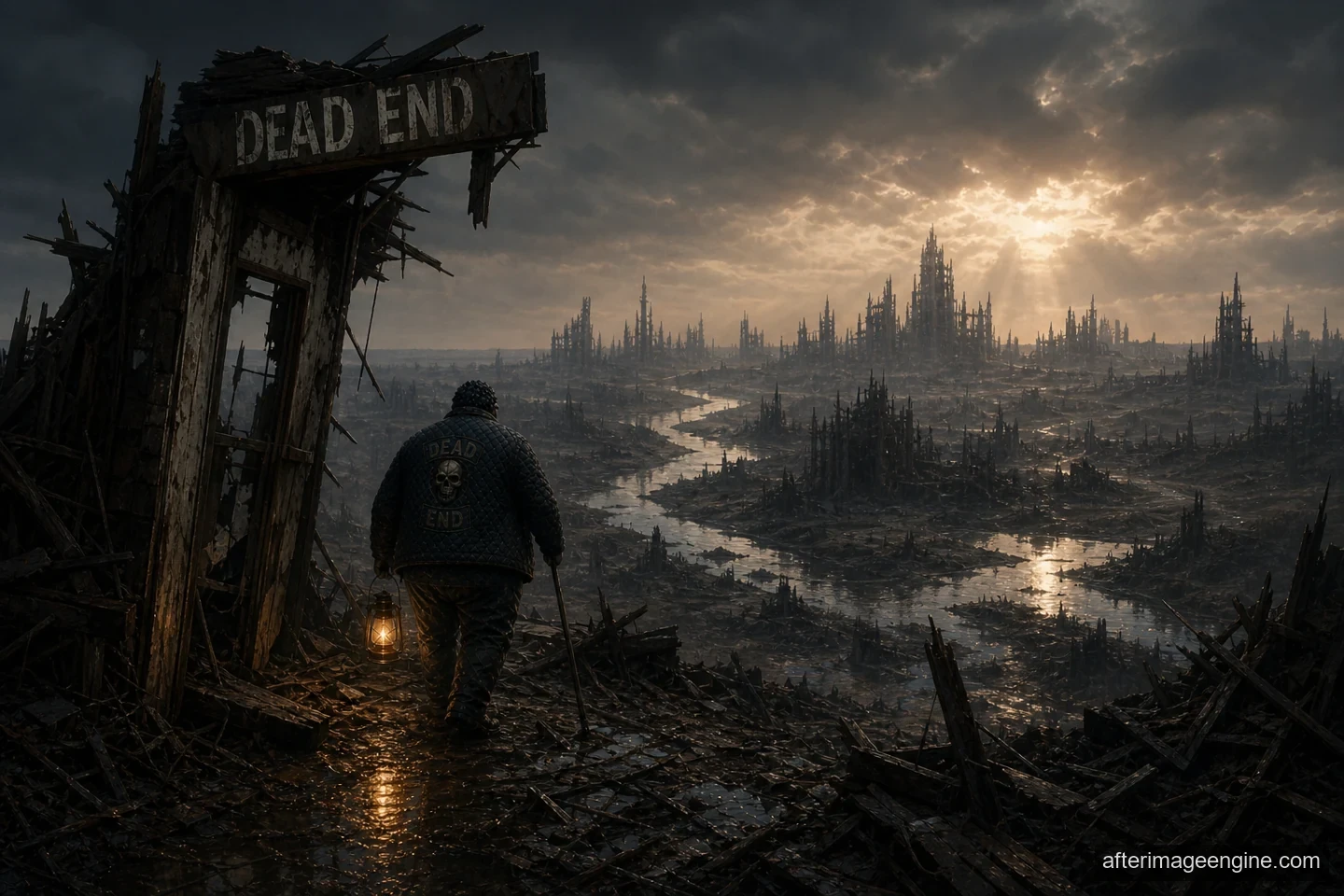
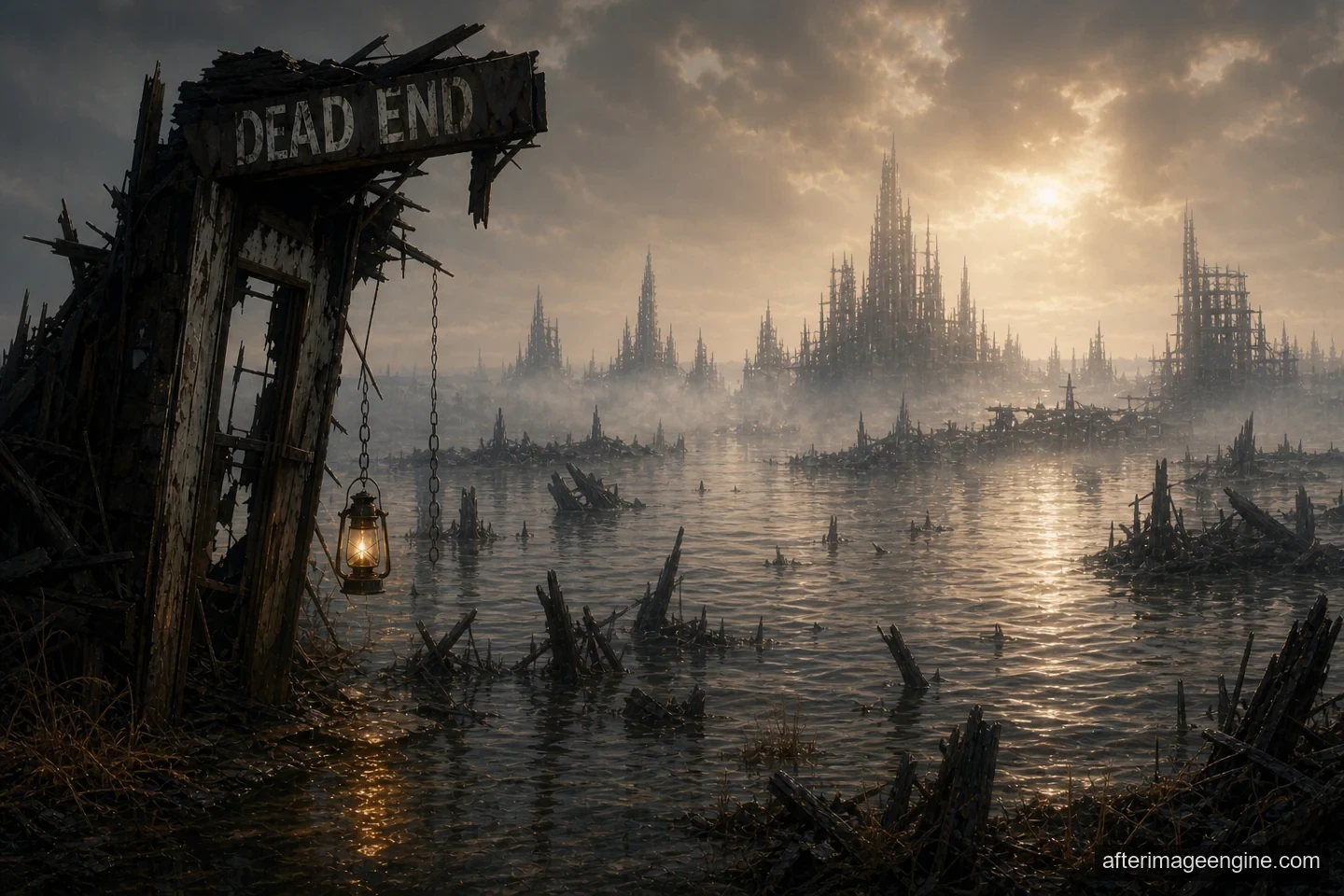
At generation 25, a traveler stands beside the water with a lantern. At 26, no person is visible. The light remains.
DEAD END develops this passage into its ending. Movement slows, sound thins, and the empty landscape is given time.
It is possible to read loss, departure or persistence in that image. The film leaves the choice with you.
Then someone reappears.
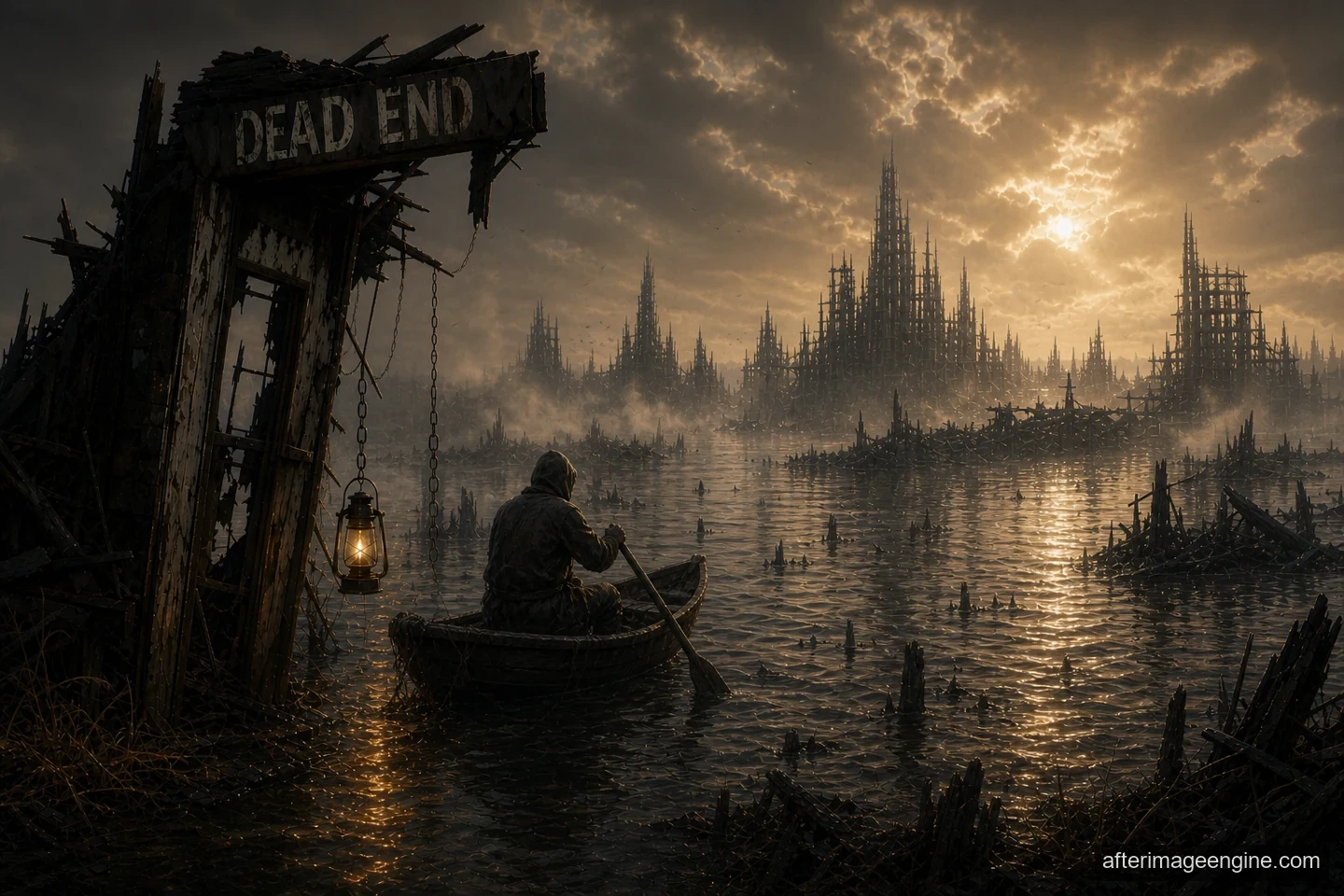
This is generation 27. A hooded figure is back in a boat beneath the sign. The lantern is still there.
The image-generation run did not stop at the absence that ends DEAD END. The selected still sequence used for the film runs from generations 1 to 26; the complete source run reaches 365.
That distinction matters. Choosing an ending gives a passage shape. The film is a particular reading of the material, made through selection, motion, editing and sound.
The world kept going.
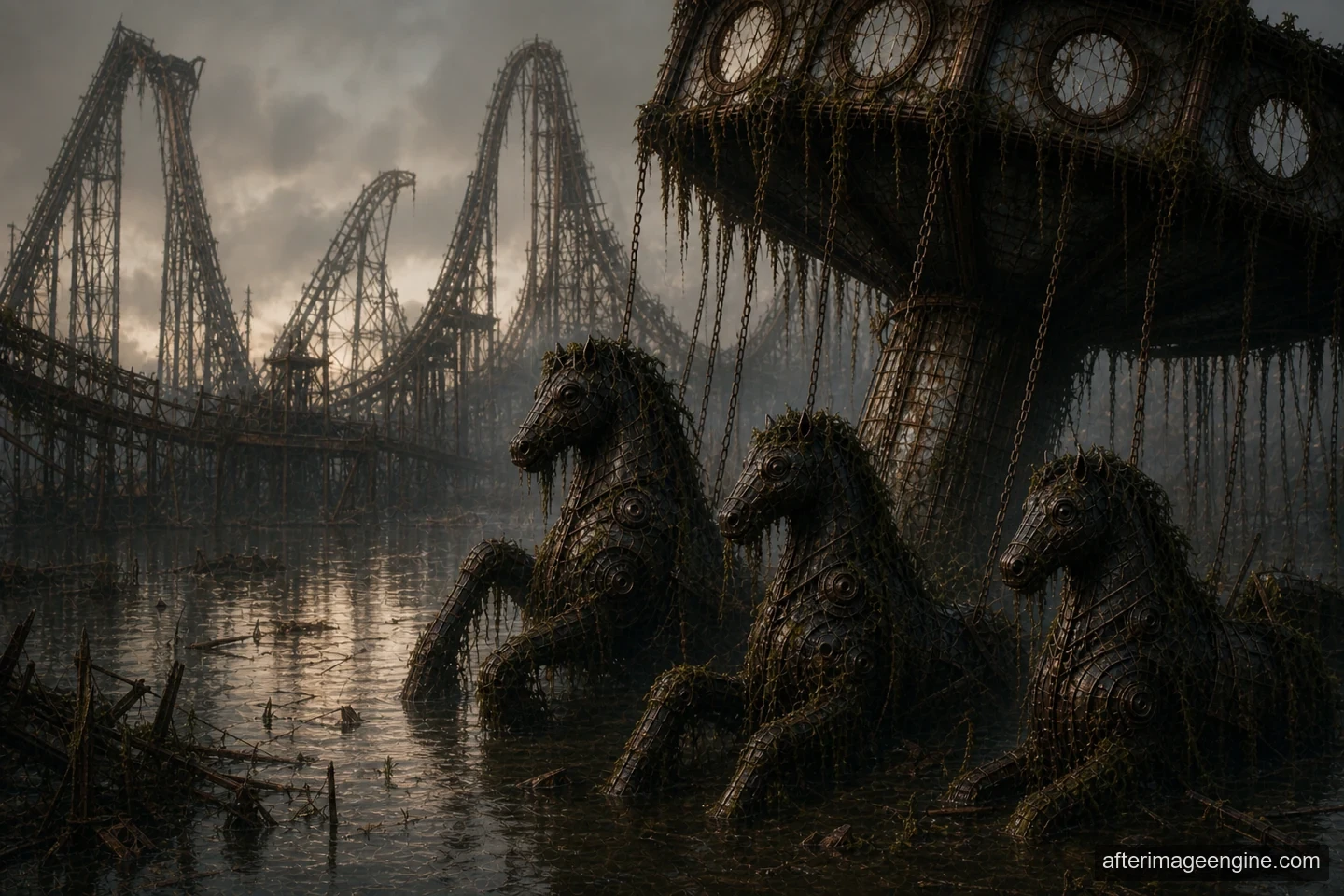
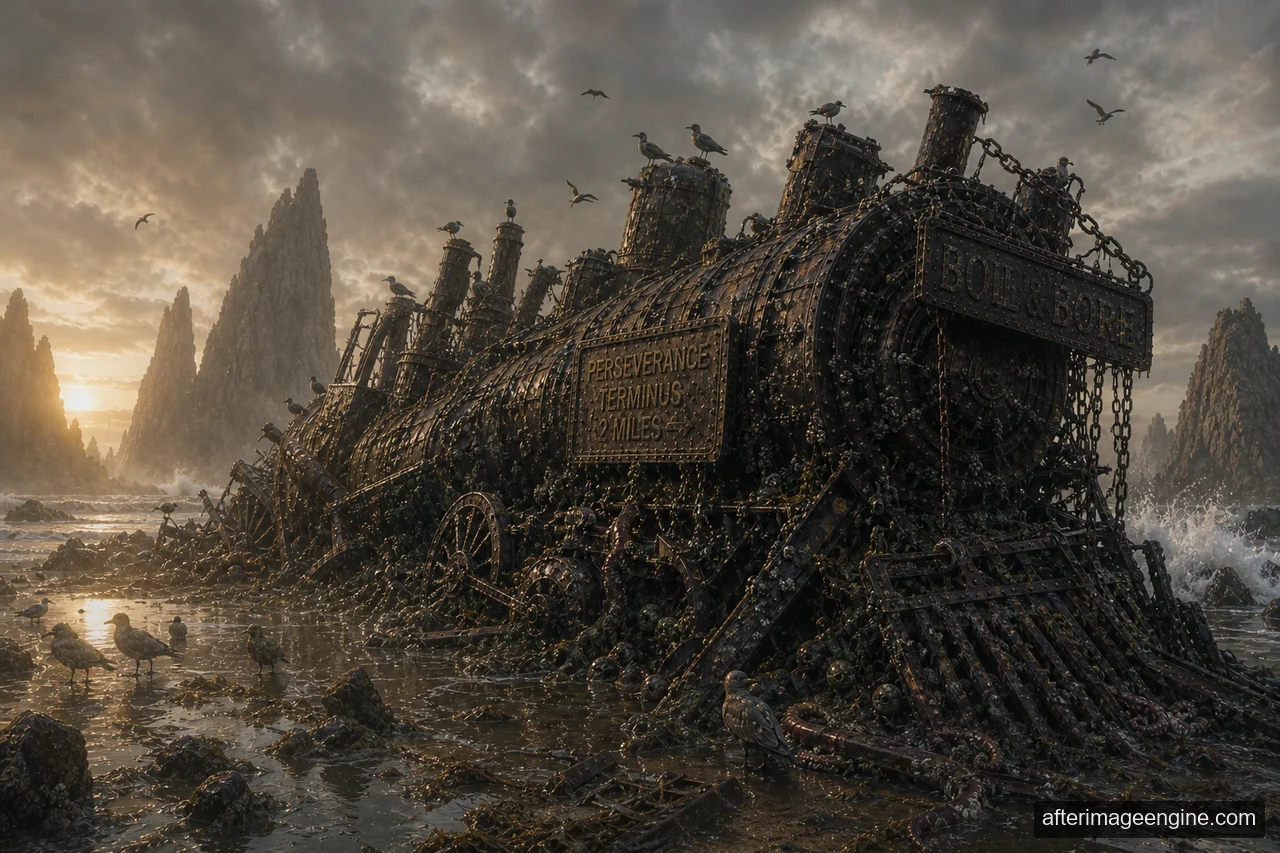
Hundreds of transformations later, the last image in START-A shows carousel horses and skeletal roller-coaster tracks standing in water.
The jump from generation 27 to 365 skips a long, changing lineage. This is its recorded endpoint, not a direct transformation from the previous image shown here.
The film ends. The experiment has more to show. What changed along the way, and what kept finding a place in the next image?
Were the words doing the directing?
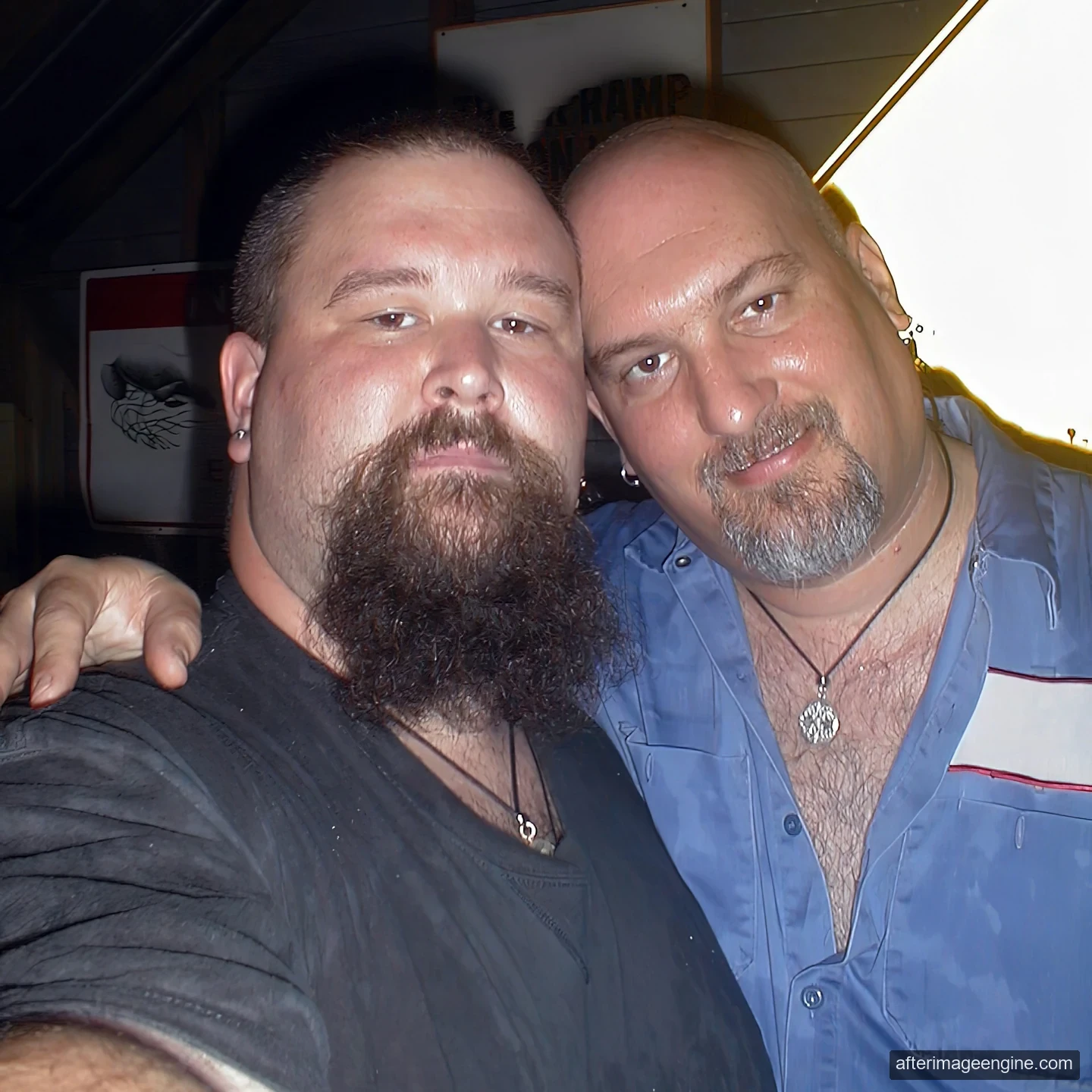
The words DEAD END were present in the original photograph. Their recurrence made them an obvious place to begin asking questions.
For the No Text run, the prominent sign lettering was blanked in a copy of the photograph. The first generated image introduced a new phrase: RIDE OR DIE.
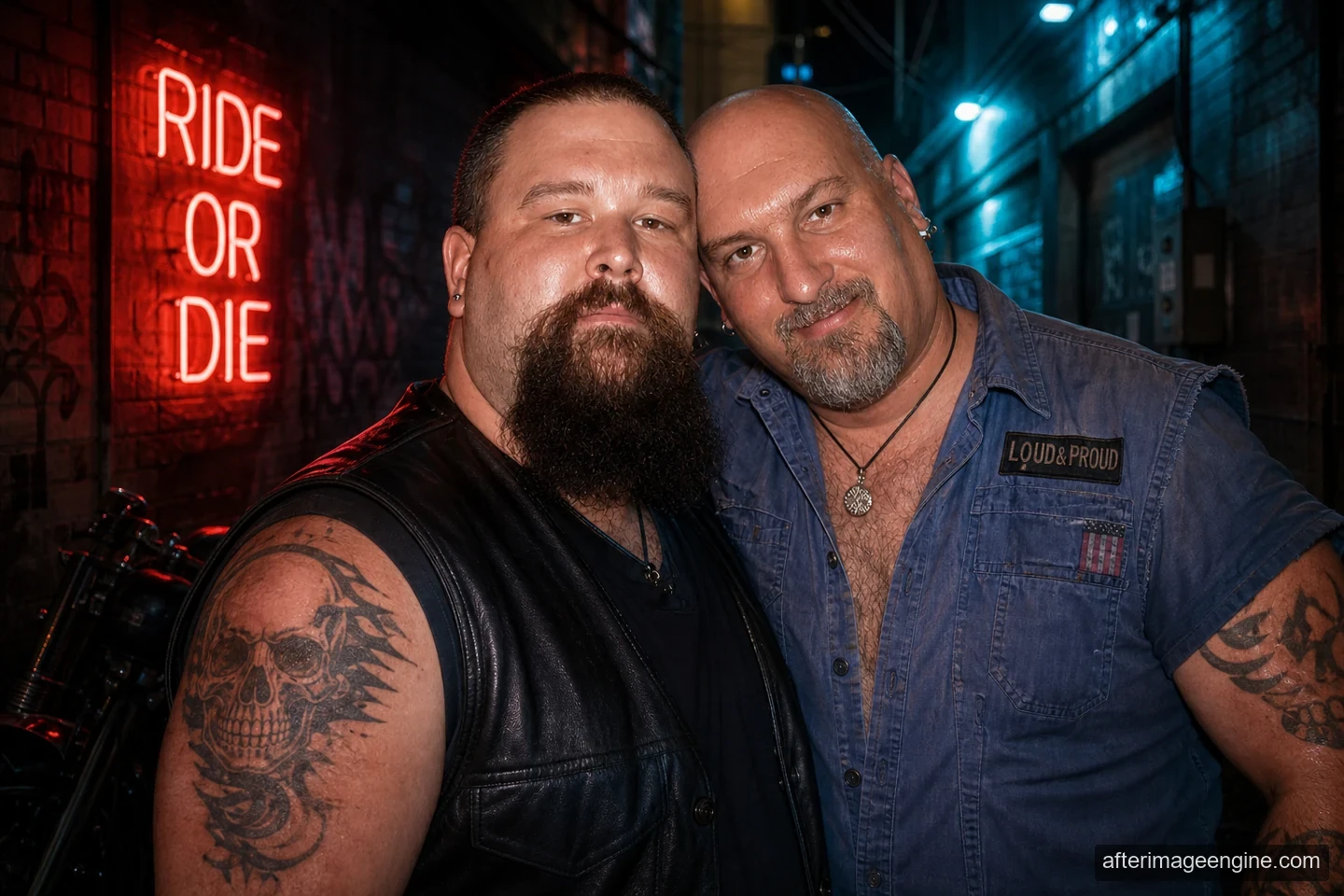
Blanking those signs did not stop new words from appearing. Once visible, they became part of the next input. How much could that affect the direction of a run? This comparison opens the question; it does not settle it.
Same beginning. Another future.
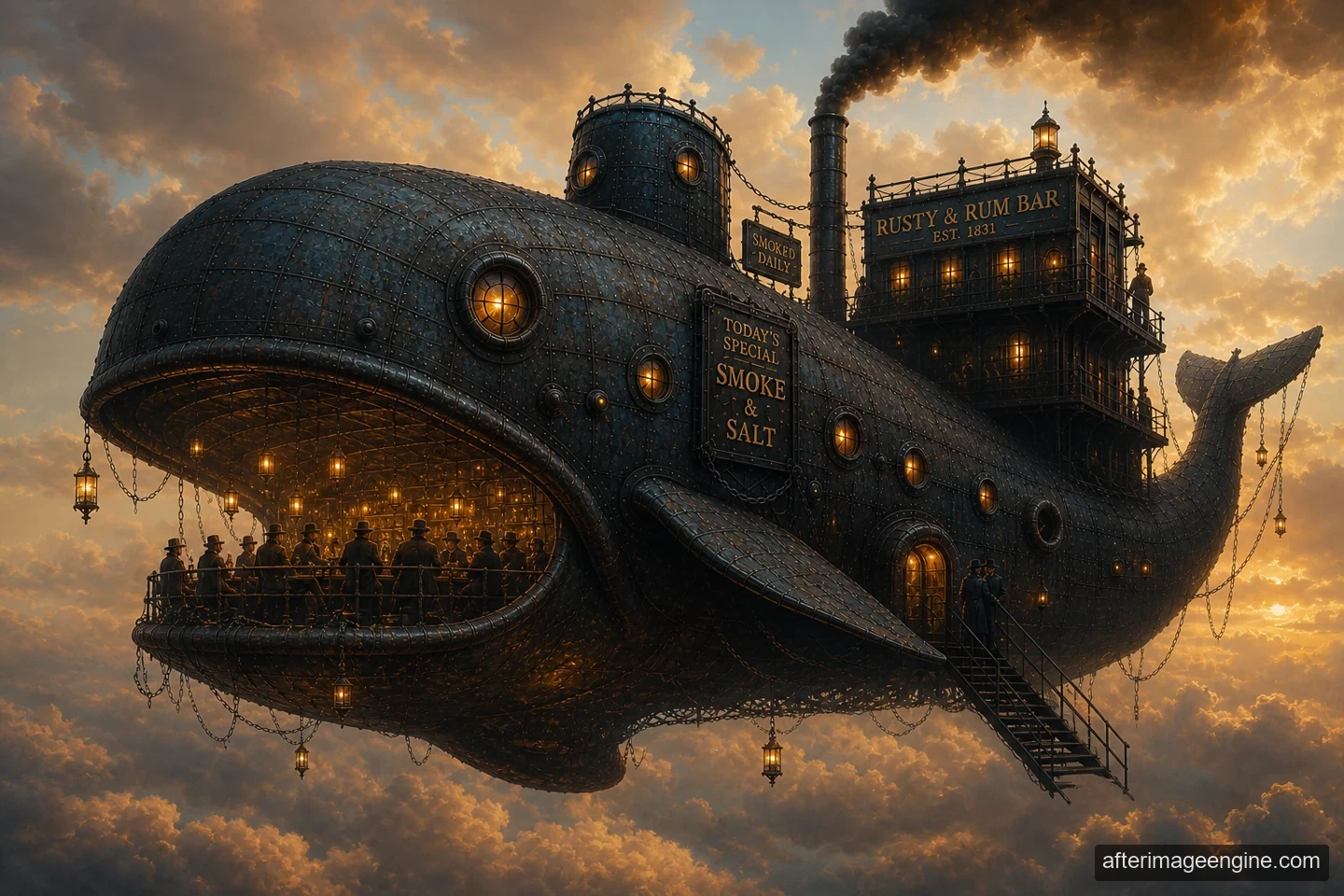
START-B repeated the original photograph, prompt and recorded generation settings. It developed a different sequence.
At generation 161, a vast industrial whale carries a bar through the sky. People gather in its open mouth. There is a smokestack.
The original instruction asked for transformation without a predetermined destination. It did not specify this whale. Another run gave the same starting material another future.
What if the beginning said HOME?
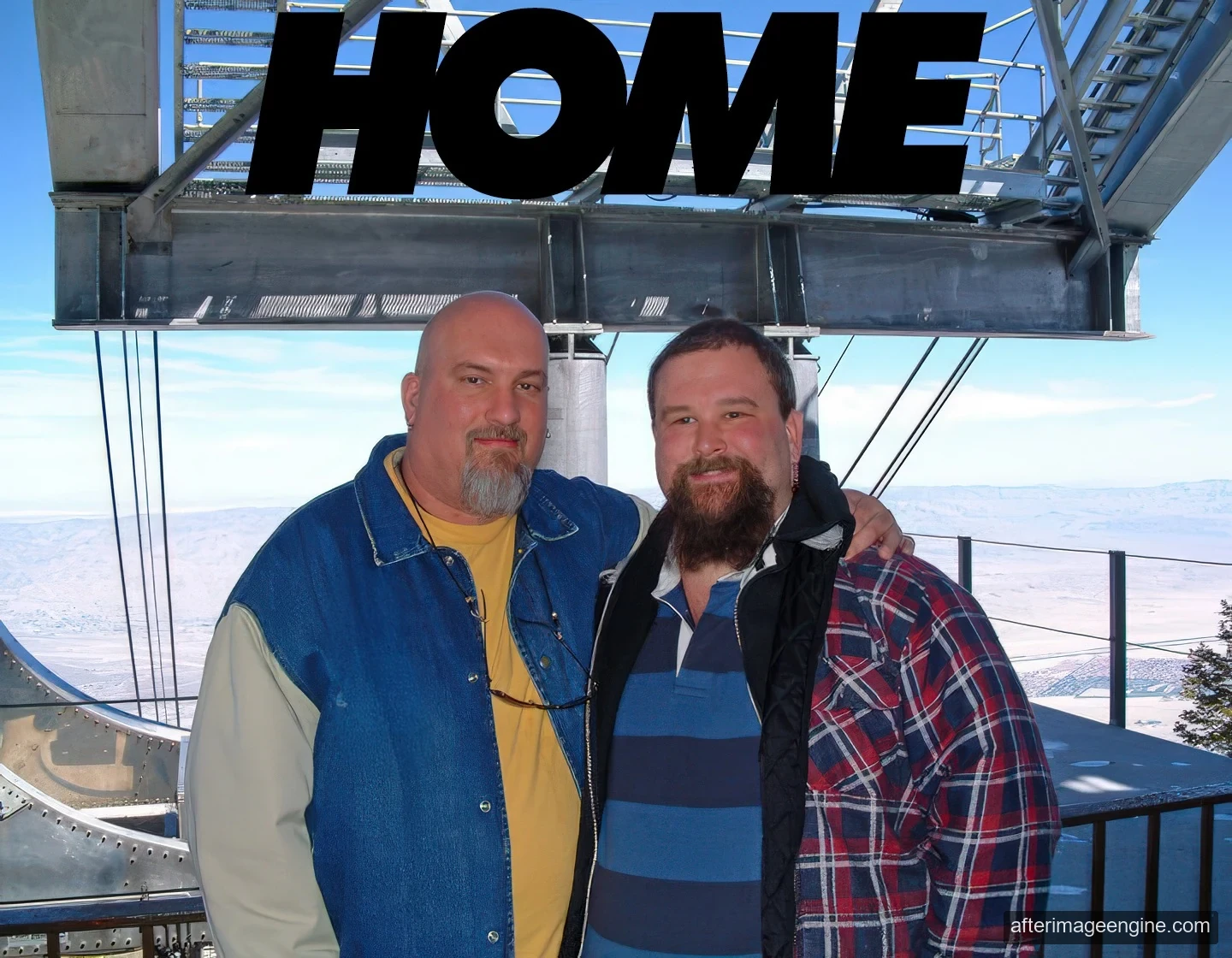
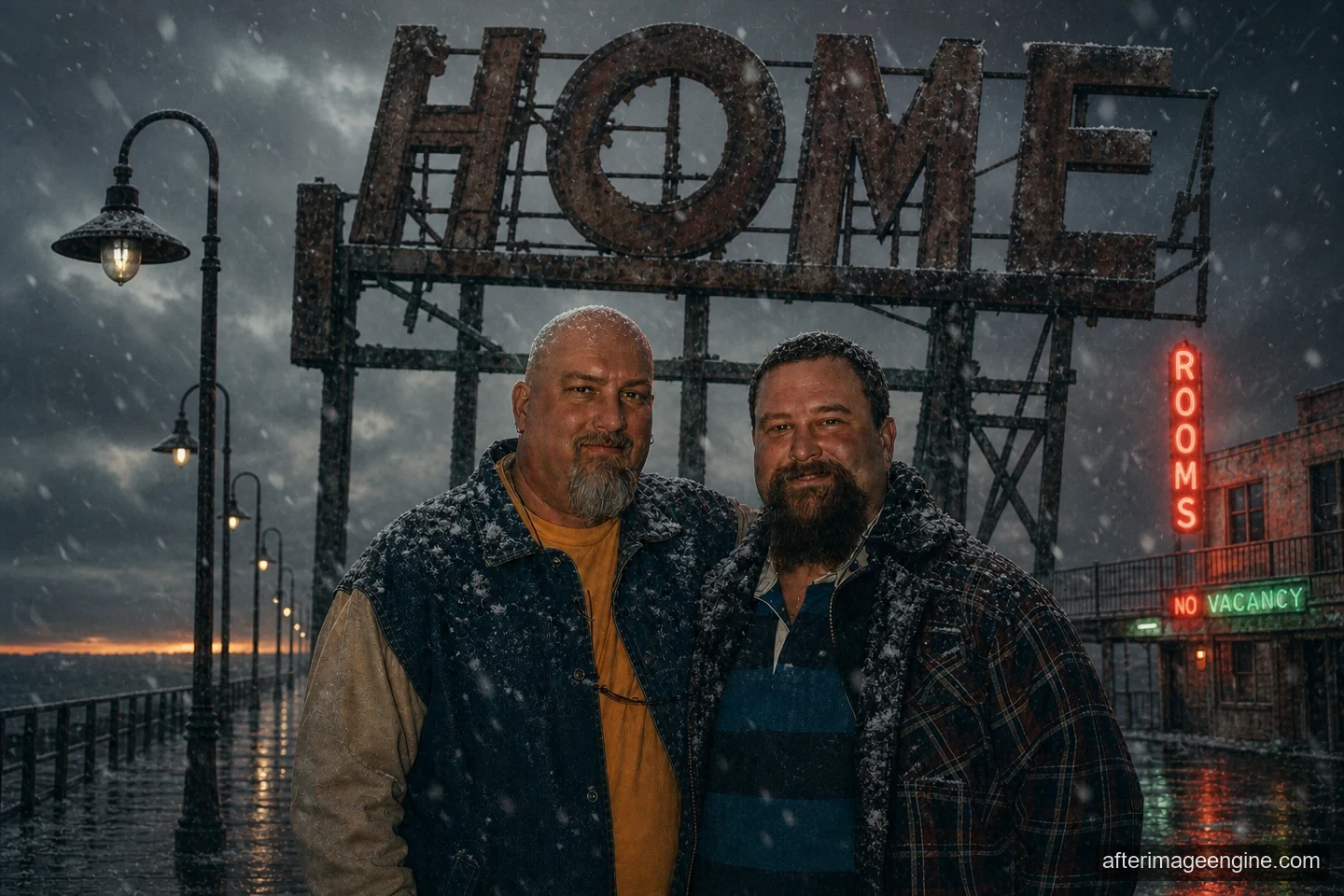
HOME began with a different photograph: bright daylight, two people, and one deliberately readable word.
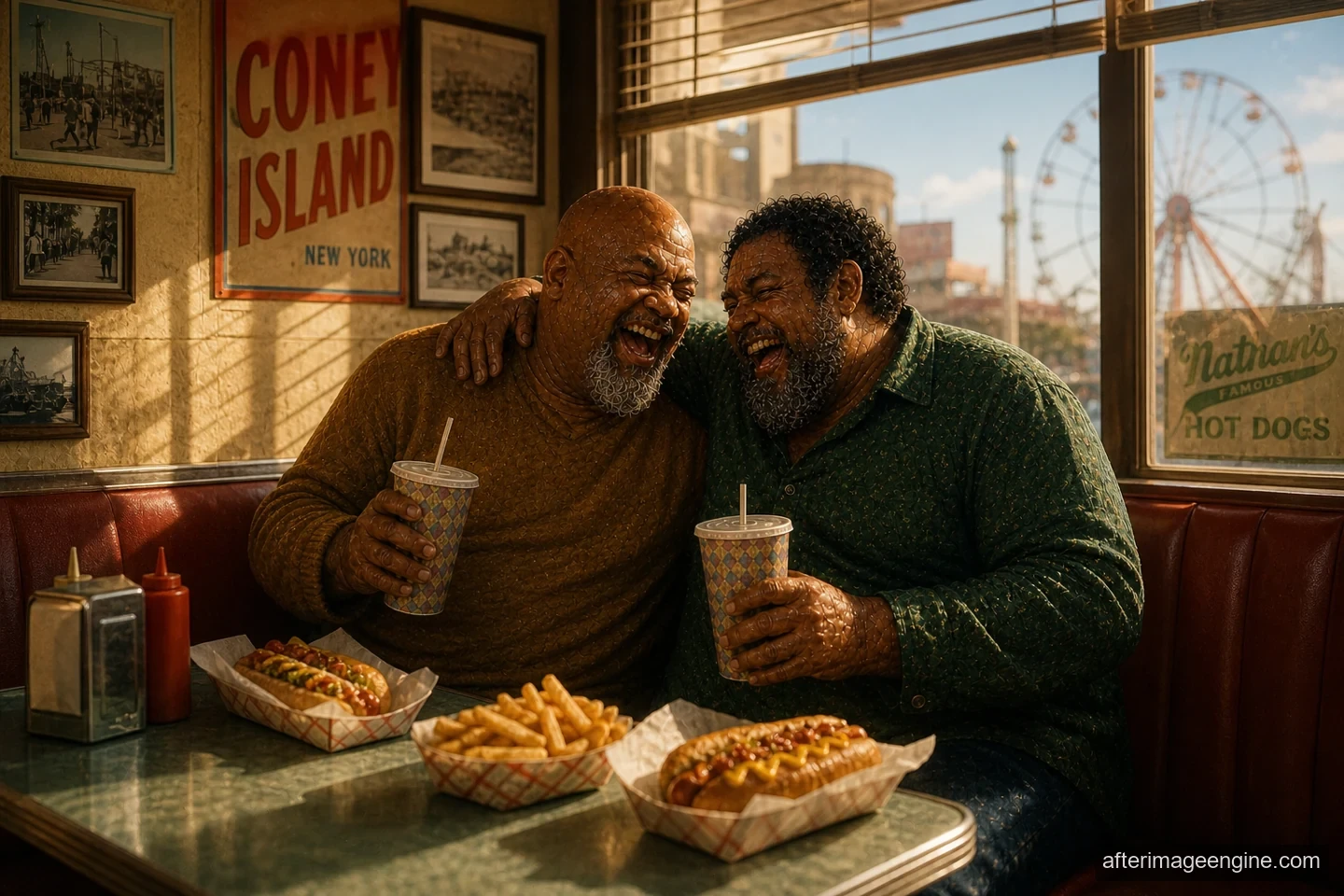
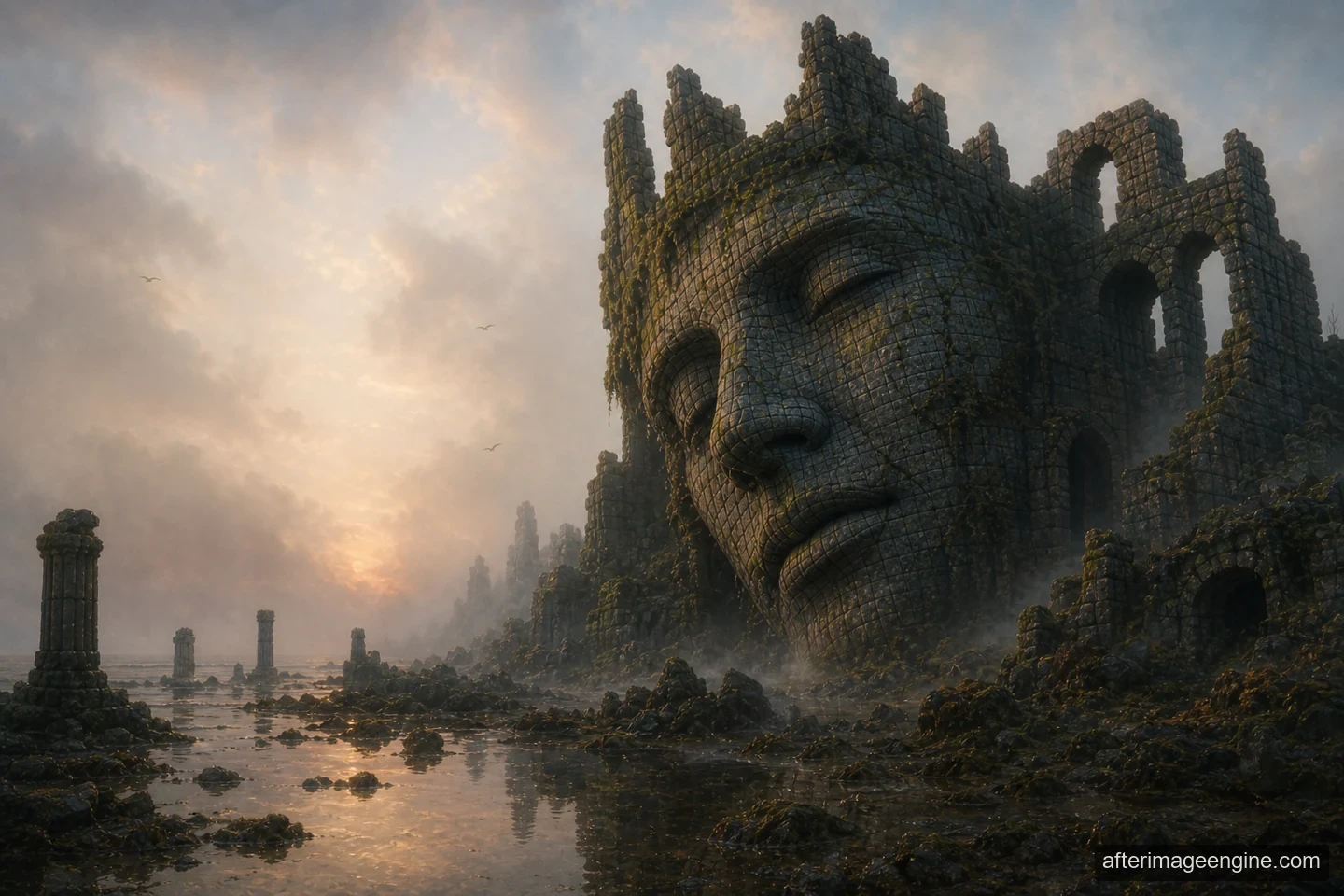
By generation 3, the scene has darkened and snow is falling. At generation 26, two people are still laughing together over a meal. By 365, a monumental face has become part of a ruined structure.
HOME changed the picture as well as the word, so it cannot isolate the effect of that word. It gives us another path to compare: company, weather, surfaces, faces and architecture taking different forms.
How much direction is enough?
The original prompt was substantial. It invited transformation, dream logic and ambiguity while refusing a fixed destination. It gave the model an expressive framework for transformation. Later experiments used more neutral and minimal prompts, making the amount and character of direction another part of the investigation.
THE IMAGE RUNS AND FILM
The still-image runs left individual transformations largely to the model. DEAD END added explicit decisions about selected images, movement, cuts, pacing and sound.
THIS ESSAY
This essay extends the question into its own making. David Bryan Stevens set the brief: lead with the film, open the larger project, and invite a second viewing. AI selected these images and wrote and arranged this draft. The artist retains approval.
The choices are part of the work. So are the moments when a choice is left open.
Watch DEAD END again.
You have now seen a little of the world outside the film: the next image after its ending, another outcome from the same seed, and a different beginning.
Return to the photograph. Follow the riders. Wait with the lantern.
Does the ending feel different now?
THE EXPERIMENT CONTINUES
One generation a day.
A year of change.
365/365 follows a separate image lineage across a year. 56 generations are recorded as of October 10, 2026.
Follow the yearlong experiment ↗